




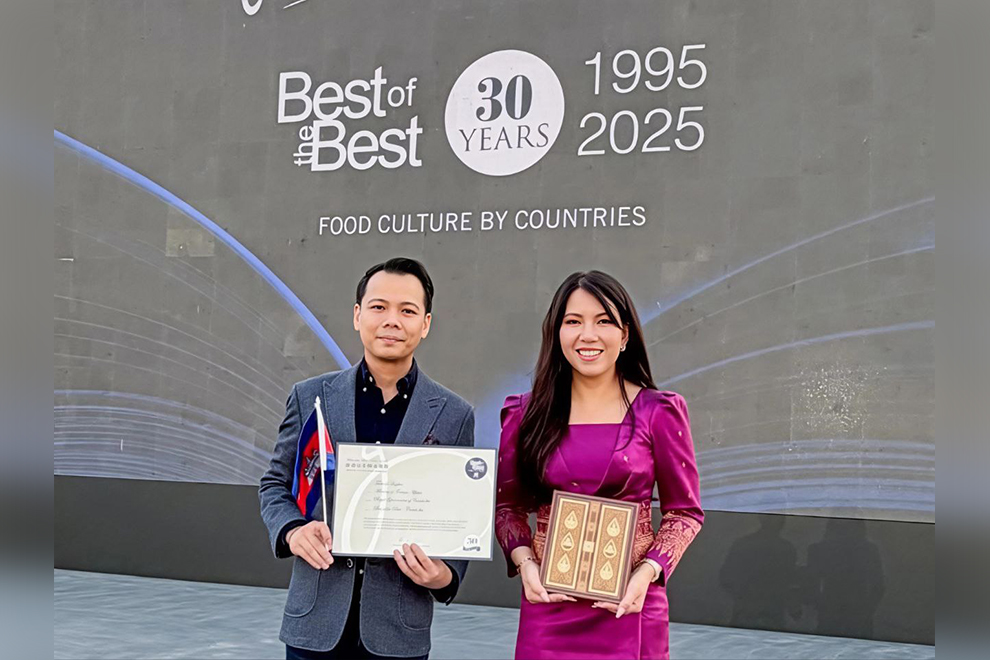
The Taste of Angkor and its sequel, The Taste of Angkor 2, were awarded the prestigious ‘Best of the Best – Cambodia’ at the Gourmand Awards Best of the Best 1995–2025. Supplied
Cambodia’s culinary heritage received international acclaim as The Taste of Angkor and its sequel, The Taste of Angkor 2, were awarded the prestigious “Best of the Best – Cambodia” award at the Gourmand Awards Best of the Best 1995–2025, held during the Saudi Feast Food Festival from November 27–30.
The event attracted participants from approximately 200 countries, spotlighting the Kingdom’s rich gastronomy on the global stage.
The two cookbooks, published by the Ministry of Foreign Affairs and International Cooperation, are key components of Cambodia’s broader culinary diplomacy efforts.
Launched by foreign minister Prak Sokhonn, the first edition debuted in 2021, followed by the second in 2025, aiming to promote classic Khmer dishes and desserts internationally.
“This recognition celebrates the meticulous craftsmanship and diversity of Khmer cuisine,” said Chring Botumrangsay, foreign ministry secretary of state.
“These are not new inventions — they are heritage dishes carefully researched from our ancestors’ culinary practices, highlighting ingredients that provide health benefits,” she noted.
The cookbooks have been widely celebrated since their launch. The inaugural edition received four prestigious Gourmand World Cookbook Awards, including Best Asian Cookbook in 2021 and the Heads of State/Food Award in 2022, while the sequel earned the Special Award of the Jury in June 2025.
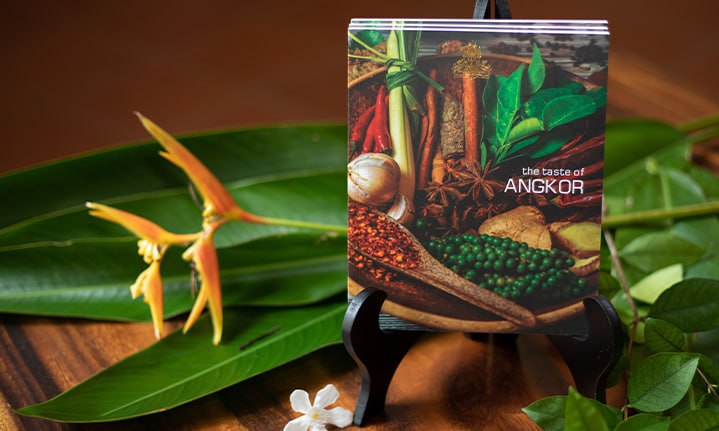
Launched by foreign minister Prak Sokhonn, the first edition of The Taste of Angkor debuted in 2021, followed by the second in 2025, aiming to promote classic Khmer dishes and desserts internationally. Supplied
Both editions focus on making traditional Khmer recipes accessible to global audiences by simplifying preparation using locally available ingredients.
Botumrangsay emphasised that the cookbooks are more than culinary guides — they are tools of soft diplomacy.
“When guests enjoy our cuisine, they remember Khmer culture, just as they remember Angkor Wat,” she told The Post.
“These cookbooks allow diplomats to strengthen relationships with foreign countries, paving the way for trade, investment and broader cooperation,” she explained.
The success of the series also reflects Cambodia’s strategy to elevate national prestige and advance its vision of becoming a high-income nation by 2050.
Through culinary diplomacy, the government aims to leverage the Kingdom’s history, culture and gastronomy to make a lasting impression internationally.
Locally, Khmer cuisine remains an integral part of everyday life.
“Our people are deeply rooted in Khmer culinary traditions,” Botumrangsay noted.
“Even as Cambodians enjoy global cuisines, they remain committed to traditional dishes like, Somlor Kako, and beef Lok Lak,” she added.
The Taste of Angkor series now stands as a symbol of national pride and global recognition, demonstrating how Cambodia’s rich culinary heritage can connect the world while promoting economic and diplomatic interests.