




The Angkor Silk Farm is open to visitors free of charge, regardless of nationality. Supplied
Angkor Silk Farm, operated by Artisans Angkor in Siem reap province, is welcoming both local and international visitors to witness firsthand the traditional Khmer silk-making process that has been preserved for generations.
Pech Sopheap, Deputy Head of Silk Production at Artisans Angkor, explained that the silk farm is located in Proyut village, Puok commune, Puok district, and serves as a centre for producing traditional silk products using long-established techniques.
She said the site currently employs 191 workers, including 11 men and 180 women, who are involved in various stages of silk production.
“Silk products made at the farm include clothing, bags, krama scarves and a wide range of handicrafts,” she added.
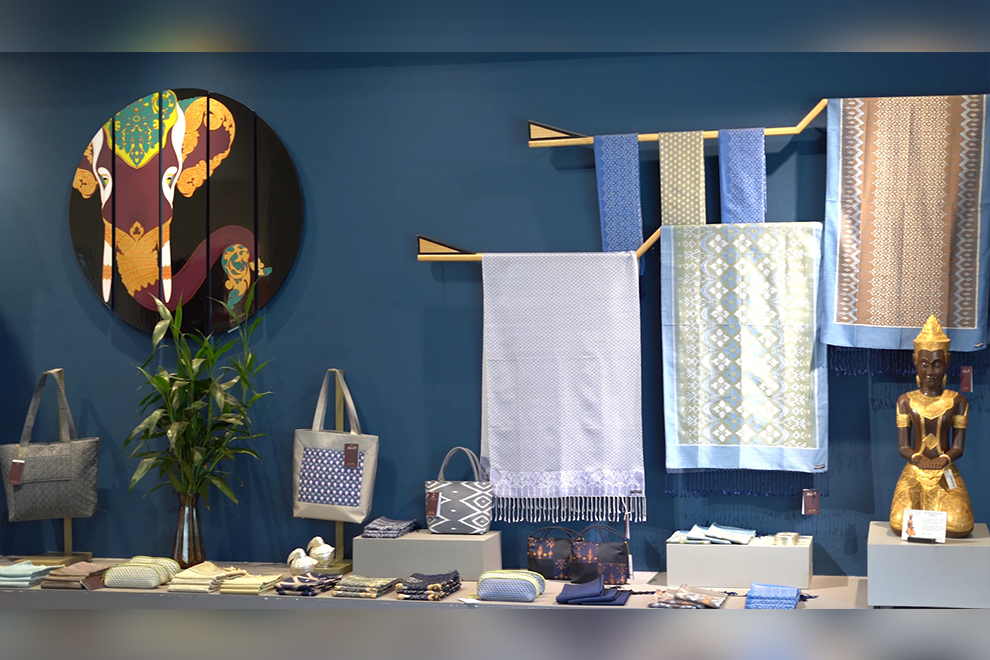
Products from the silk farm are displayed and sold at Artisans Angkor shops in Siem Reap and Phnom Penh, as well as at Siem Reap and Phnom Penh airports. Supplied
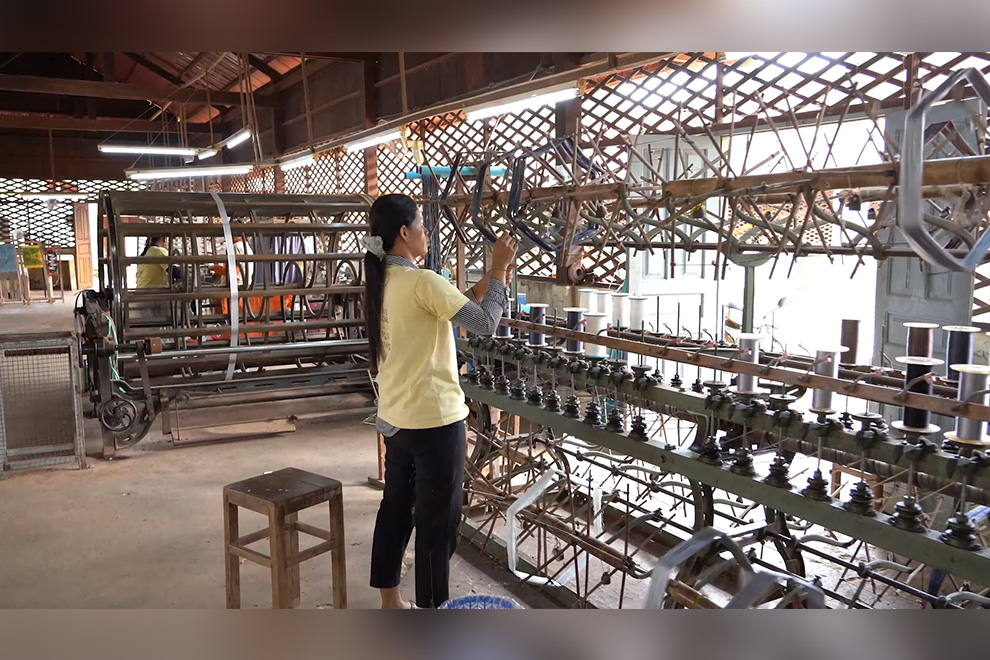
The production process begins with mulberry cultivation, followed by silkworm rearing, silk reeling and weaving, all carried out at the same location.
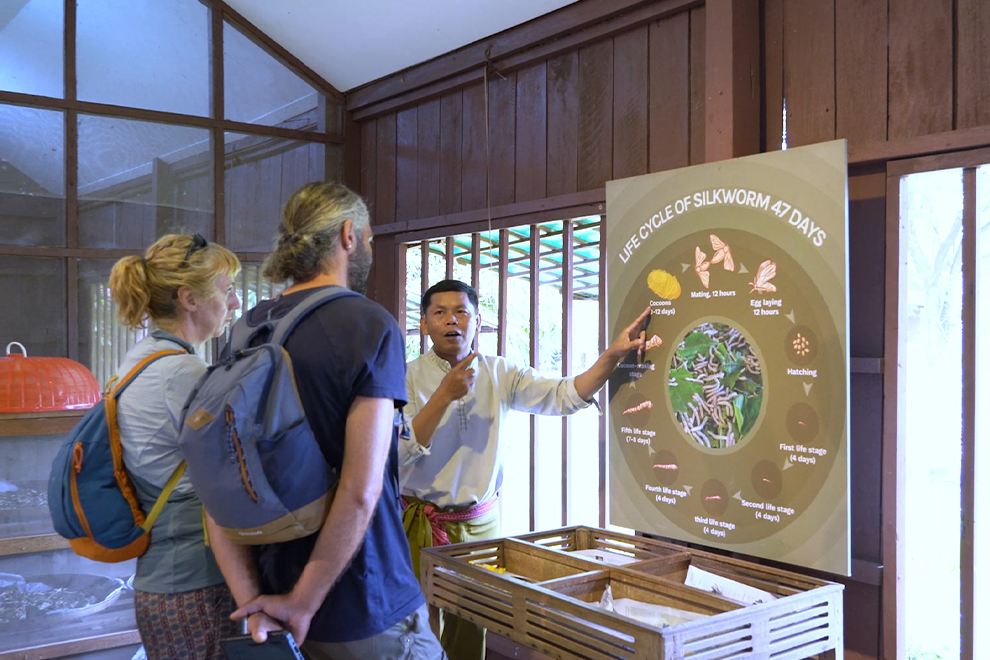
A key feature of the Angkor Silk Farm is its silkworm-rearing process, which takes up to 47 days before silk threads can be extracted.
After reeling, the silk is divided into two main types: coarser silk used for krama, garments and bags, and fine “gold silk” threads used to produce phamuong fabric and krama.
Sopheap said that producing a single finished item — from silkworm rearing to a usable product — takes more than two months, reflecting the time and care required to maintain quality.
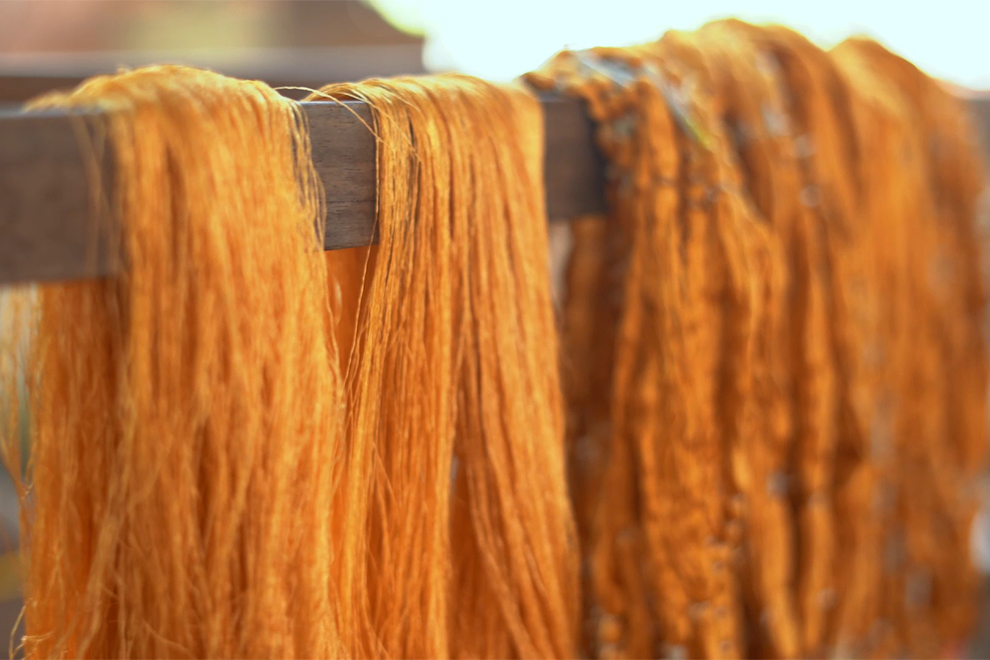
After reeling, the silk is divided into two main types: coarser silk used for krama, garments and bags, and fine “gold silk” threads used to produce phamuong fabric and krama. Supplied
“Products from the silk farm are displayed and sold at Artisans Angkor shops in Siem Reap and Phnom Penh, as well as at Siem Reap and Phnom Penh international airports and other retail locations,” she said.
The Angkor Silk Farm is open to visitors free of charge, regardless of nationality. Sopheap noted that while most visitors in the past were foreigners, more Cambodian visitors are now coming to the site and purchasing silk souvenirs after learning about the farm’s location.
She said the silk produced at the farm is known for its bright fibres and high quality, adding that phamuong and hol textiles made there can withstand contact with water.
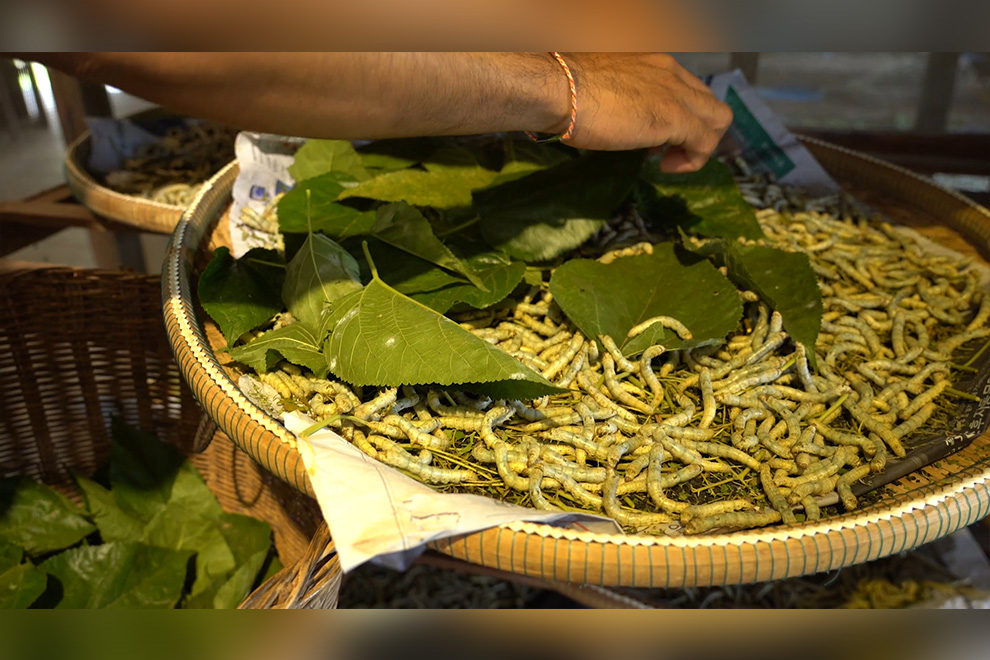
The production process begins with mulberry cultivation, followed by silkworm rearing, silk reeling and weaving, all carried out at the same location. Supplied
Sopheap invited Cambodians to visit the Angkor Silk Farm, located about 13 kilometres from Siem Reap town, and encouraged them to support Khmer-made products that represent traditional craftsmanship.
Established in 1992, the Angkor Silk Farm in Puok district continues to serve as a place where visitors can observe the full silk-making process, while helping keep Cambodia’s traditional textile practices alive.
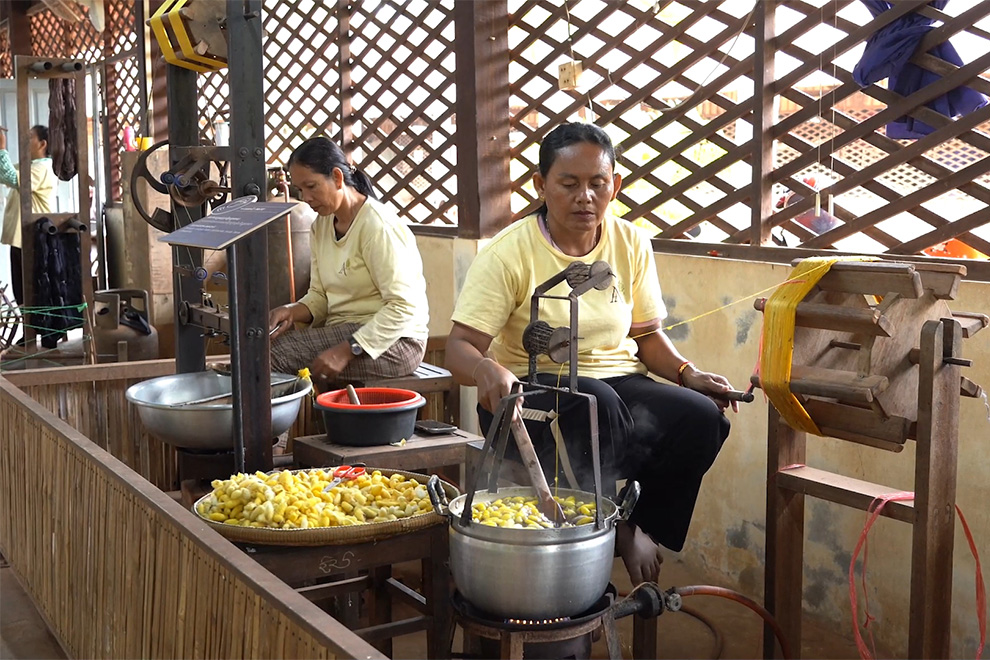
The farm currently employs 191 workers, including 11 men and 180 women, who are involved in various stages of silk production. Supplied
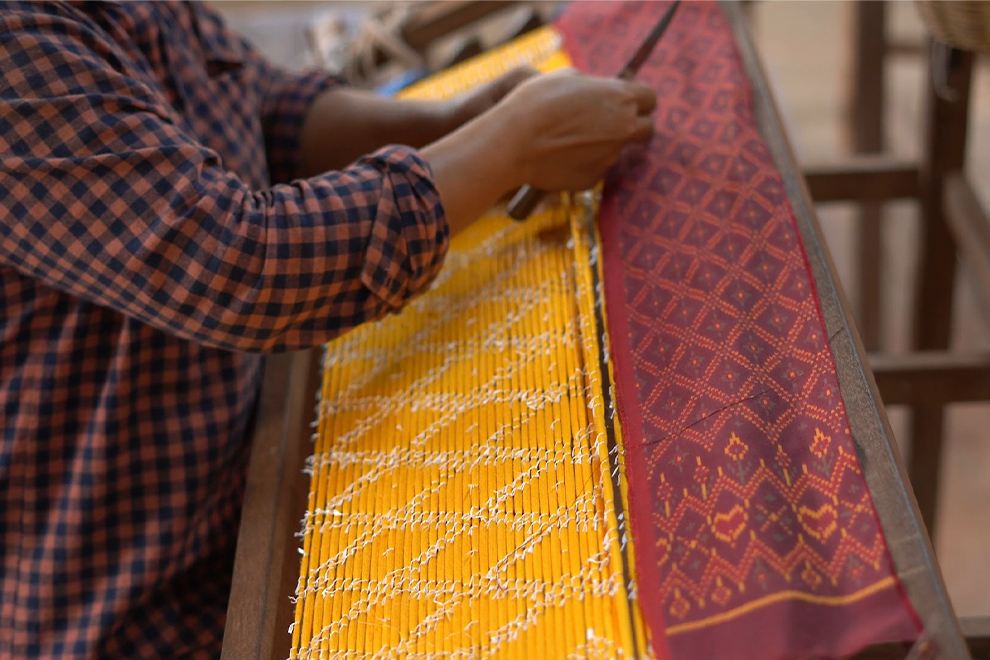
Producing a single finished item — from silkworm rearing to a usable product — takes more than two months, reflecting the time and care required to maintain quality. Supplied
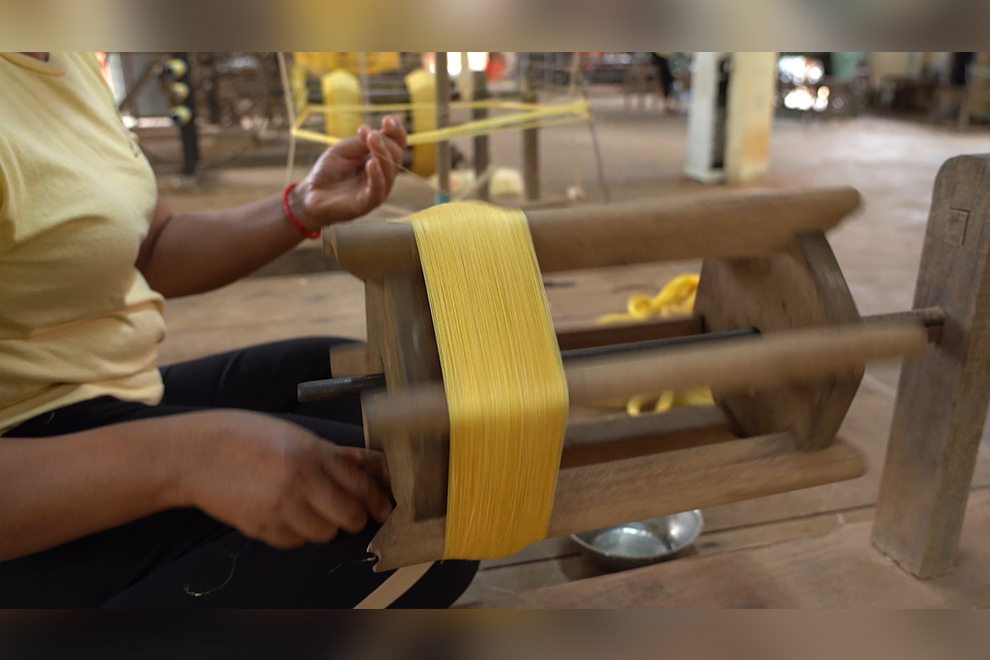
The fine “gold silk” threads used to produce phamuong fabric and krama. Supplied
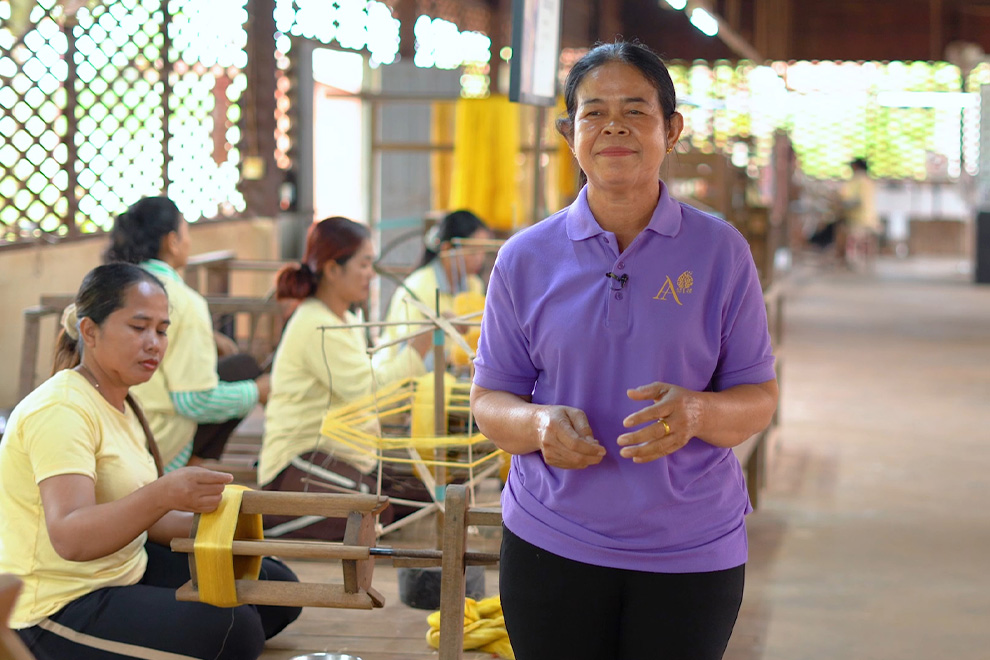
Pech Sopheap, deputy head of Silk Production at Artisans Angkor. Supplied
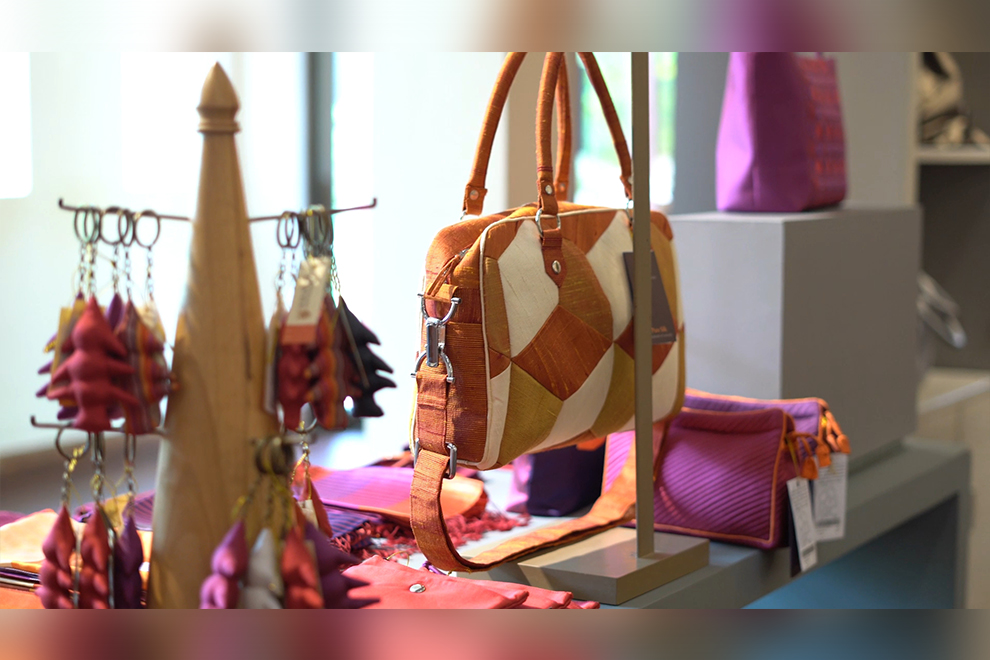
Products from the silk farm are displayed and sold at Artisans Angkor shops in Siem Reap and Phnom Penh, as well as at two of the Kingdom’s international airports. Supplied